Break Through Plateaus. Play with Joy.
An online program for cellists ready to make real progress — through targeted techniques, physiological awareness, and a playful mindset.
If you've hit a plateau and don't know why, you're in the right place
Most cello instruction focuses on repetition — more hours, more scales, more pressure. But when tone and technique aren't improving, the problem is rarely effort. It's usually tension you can't see and a mindset that punishes mistakes instead of using them. The DR Method works differently: targeted technique, physiological awareness, and a playful mindset that lets you take risks, explore,
and actually hear yourself improve.
And yes, real progress is closer than it feels.
Whether you're stuck on the same passage for months or you've lost the joy in practicing altogether, this approach is built to get you unstuck.
Free Resource
Your first 30 days on the DR Method — a free practice roadmap
A simple week-by-week guide showing you exactly what to practice, for how long, and why — so you build the right habits from day one and actually enjoy playing.
The DR Method
To find out which format fits your life best, see which of these sounds most like
you right now.
Targeted Technique
Even 5–10 minute daily leads to clear progress when you know exactly where to focus. No more endless practice, just hoping for the best.
Physiological Awareness
Beautiful tone starts with releasing tension. Learn specific exercises that help you enter the muscles and unlock a resonant, free sound.
Playful Mindset
Stop fearing mistakes. Cultivate a growth mindset with our warm, person-centered approach. Sound better as you discover practical ways to release self-criticism and embrace joy.
Bethany Erhardt is an exceptional cello teacher. Always wanting to play the cello, I finally decided to give this a try after retiring from teaching. I have never regretted this decision due to Bethany’s teaching skills and encouragement. After every lesson there is a feeling of accomplishment and the challenge to move forward. She is quick to note growth, suggest ways of improvement, and solve problems I am experiencing. She is also supportive of working in groups with other adult students, which has really increased my joy of learning to play this beautiful instrument.
As a senior citizen who recently decided to take cello lessons, I must confess there was certain amount of trepidation involved because of my age. Bethany has been a wonderful instructor, supportive, allaying my fears and having me enjoy the journey of learning the cello.

ABOUT ME
Hi,
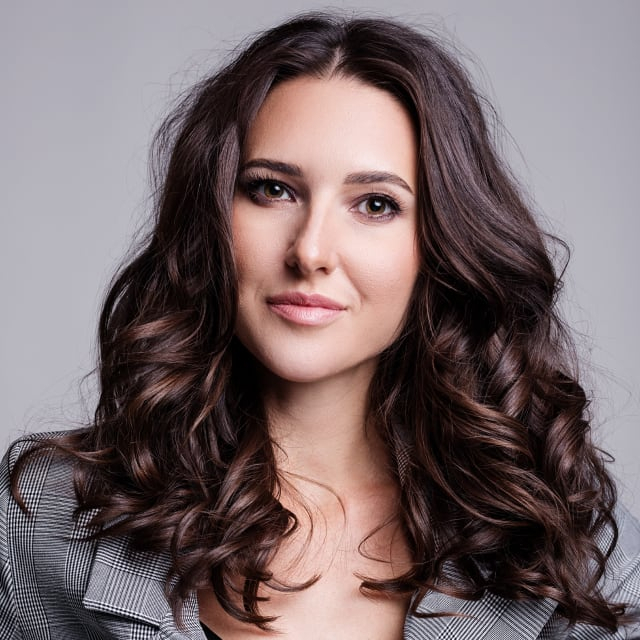
I'm Bethany.
After years of conservatory training and hitting a frustrating plateau — practicing up to six hours a day with diminishing returns — I discovered a radically different approach. A forward-thinking Juilliard pedagogue introduced me to practice strategies and physical awareness exercises that reshaped my relationship with the cello.
What I further discovered was this vital truth: direct results happen in a learning environment where students feel safe to take risks and explore without judgment — in short, to play. Combining a playful atmosphere with pedagogy that solves root issues leads to explosive results. This understanding, refined over two decades with hundreds of students, defines the DR approach.
Ready to Make Real Progress?
I'd love to hear about your musical goals and explore how the DR approach might support your growth. Let's talk.


